

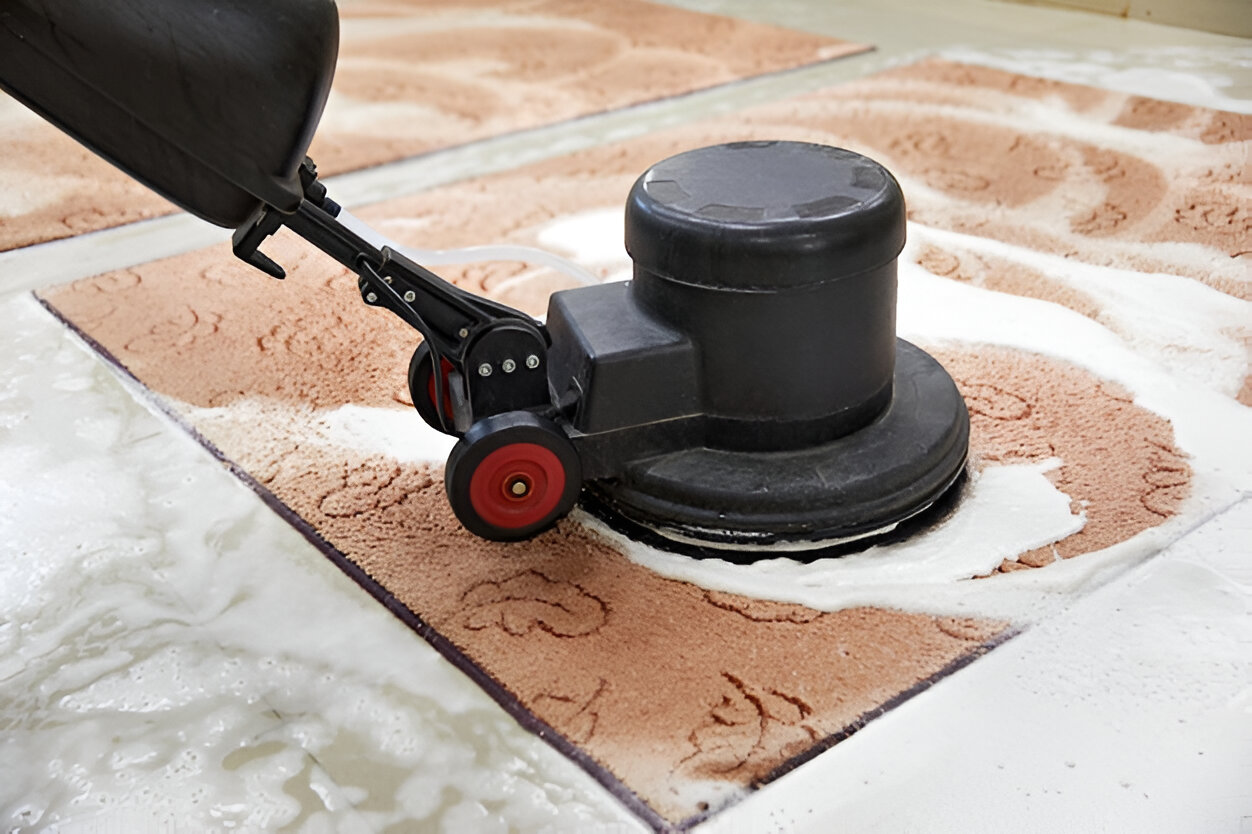
Rugs do more than add style and warmth to a room. They also trap dust, allergens, and the dirt that gets carried in from outside. In the Bay Area, with its mix of coastal fog, seasonal rains, and wildfire smoke, rugs face conditions that can shorten their lifespan if they are not cleaned on a proper schedule. The right cleaning frequency depends on your household, the type of rug, and the specific microclimate where you live. This guide explains the best intervals for different situations and shows you how to tell when your rug needs a professional cleaning.
What “cleaning frequency” actually means
When people ask how often they should clean a rug, it helps to distinguish between three levels of care:
- Routine vacuuming: the regular upkeep you do at home, ideally once or twice a week depending on traffic.
- Spot treatment: quick action after spills, pet accidents, or tracked-in mud to prevent permanent staining.
- Professional deep cleaning: a full in-plant wash where dust, soil, and residues are flushed out under controlled conditions.
Rugs are not the same as wall-to-wall carpet. The dense fibers, natural dyes, and hand-knotted or woven construction mean they hold onto more soil than you might expect. Even when a rug looks clean, it can be hiding pounds of grit that slowly wear down the fibers. Industry experts generally recommend professional rug cleaning every 12 to 18 months for average households, but Bay Area factors can shift that timeline.
Bay Area climate factors that change your schedule
The San Francisco Bay Area is known for its microclimates, and these environmental conditions directly affect how quickly rugs become soiled or damaged:
- Coastal fog and humidity: In areas like San Francisco and Mill Valley, moisture can linger in the air. Wool and cotton foundations may develop musty odors or support mildew if not cleaned and dried properly.
- Rainy winters: From November through March, entry rugs take a beating as shoes bring in mud and water. This accelerates soil buildup and increases the need for seasonal cleaning.
- Wildfire smoke: During late summer and fall, smoke particles can enter homes even when windows are closed. Fine particulates settle deep in rug fibers, creating a hidden layer of pollutants that regular vacuuming will not remove.
- Allergy and pollen cycles: Spring pollen and everyday dust collect quickly in thick piles and fringes, which can aggravate allergy symptoms.
- Different microclimates: A rug in a foggy San Francisco flat will age differently than one in a sunny San Jose home. East Bay homes often deal with more dust, while Napa and Marin may see a combination of pollen, moisture, and soil tracked in from outdoor living spaces.
Understanding these local factors helps you adjust the generic 12 to 18 month cleaning schedule to something more realistic for your home.
Recommended cleaning intervals by household scenario
Every home is different, and the right rug cleaning schedule depends on how you live. Use these guidelines as a starting point, then adjust based on your household’s habits and environment.
Low traffic, shoes-off households
- If you live alone or as a couple, remove shoes at the door, and have no pets, rugs can go 18 to 24 months between professional cleanings. Vacuum once a week to keep dust under control.
Average family home
- For households with regular foot traffic and kids, aim for a professional clean every 12 to 18 months. Vacuum one to two times weekly, paying special attention to entry rugs and high-use areas.
Pets or young children
- Homes with dogs, cats, or toddlers usually need professional cleaning every 6 to 12 months. Pet dander, hair, and the occasional accident mean deeper soils build up quickly. Vacuum several times a week and spot treat immediately.
Allergy or asthma-sensitive households
- If anyone in the home is prone to allergies or asthma, plan for professional rug cleaning every 6 to 12 months. Use a vacuum with HEPA filtration to reduce fine dust and allergens, and consider extra cleanings during peak pollen or wildfire smoke seasons.
Coastal humidity zones
- In foggy areas like San Francisco, Pacifica, or Mill Valley, shorten the cycle to once a year for wool or cotton rugs to prevent musty odors and mildew growth.
After wildfire smoke events
- If smoke has entered your home, schedule an additional cleaning regardless of your usual routine. Smoke particles cling to fibers and can leave lasting odors and discoloration if not removed.
By thinking in terms of your family’s lifestyle and environment, you can build a rug care schedule that keeps fibers fresh, reduces allergens, and extends the life of each piece.
Rug type adjustments
Not all rugs respond the same way to soil, moisture, and cleaning. The type of material and construction plays a big role in how often professional care is needed.
Wool and hand-knotted Oriental or Persian rugs
- Wool is durable and naturally resilient, but it also traps soil deep in the pile. For households with light use, every 12 to 24 months is usually fine. If you have pets, kids, or heavy traffic, plan on cleaning once a year.
Silk or delicate vegetable-dyed rugs
- Silk fibers and natural dyes are especially sensitive to moisture and cleaning chemicals. Stick to the conservative end of the schedule, about every 18 to 24 months, and avoid do-it-yourself methods that can damage fibers or cause dye bleed.
Tribal, flatweave, and nomadic rugs
- Kilims and other flatwoven rugs collect dust quickly because of their looser weave. They can often be vacuumed and shaken more effectively at home, but should still be professionally cleaned every 12 to 18 months to maintain color and integrity.
Viscose, jute, sisal, and other plant fibers
- These materials are prone to staining and fiber breakdown when exposed to moisture. They benefit from lighter professional cleaning at shorter intervals, sometimes every 6 to 12 months, to avoid irreversible discoloration.
Synthetic and washable rugs
- Polyester, nylon, and other machine-made synthetics can be washed more often, even at home if they are labeled as washable. However, to fully flush out dirt and prevent odors, a professional deep clean every 12 to 18 months is still recommended.
Choosing the right cleaning interval based on fiber type helps prevent damage, preserve color, and extend the usable life of your rug.
Vacuuming and rotation schedule that actually works
Professional cleaning is essential, but what you do between those cleanings is just as important.
Vacuuming
- Aim for at least once a week in low-traffic rooms and several times a week in high-traffic areas.
- Use a vacuum with HEPA filtration to capture fine particles, pollen, and smoke residue.
- Adjust the beater bar or suction strength to match the rug pile. For delicate silk or flatweaves, use suction-only to avoid fiber damage.
Rotation
- Rotate rugs every six months to distribute wear evenly.
- This is especially helpful for rugs in sunny spots or high-traffic areas, where one section can fade or flatten faster than others.
Signs your rug needs cleaning now
Even with a set schedule, certain signs mean it is time to call in a professional sooner:
- Colors look dull even after vacuuming.
- A cloud of dust appears when you tap the back of the rug.
- The rug has a musty or smoky odor after foggy weeks or wildfire season.
- A white towel rubbed across the surface picks up visible dirt.
- Fringes look grey or matted despite surface cleaning.
Seasonal schedule for Bay Area homes
Because of the region’s unique climate, timing cleanings with the seasons can make a big difference.
- Late fall: Clean before the holidays to refresh rugs ahead of entertaining.
- Early spring: After the rainy season to remove mud and soil tracked inside.
- Post-wildfire season: Schedule an extra cleaning if your home was exposed to smoke.
- Year-round: Entry rugs and hall runners may need more frequent attention due to constant use.
Professional cleaning, what to expect
Rug cleaning is not the same as carpet cleaning. A professional in-plant service goes far beyond surface treatment. The process often includes:
- A detailed inspection to check for dye stability, prior stains, and damage.
- Dusting with specialized equipment to remove embedded grit.
- Cold-water immersion and tailored detergents suited to the rug’s fibers.
- Hand cleaning of fringes and edges.
- Thorough rinsing and centrifuge extraction to prevent shrinkage.
- Grooming, drying, and pile resetting for a restored look.
This approach preserves delicate fibers, protects dyes, and ensures a deeper clean than on-site carpet machines.
Care tips between cleanings
- Use doormats at entrances and adopt a shoes-off policy to reduce tracked-in dirt.
- Address spills immediately with blotting, not scrubbing.
- Control indoor humidity in coastal zones to prevent mildew.
- Run an air purifier during wildfire season to reduce the load of fine particles in your rugs.
- When storing rugs, roll them with a breathable wrap and avoid damp basements or garages.
Quick answers to common questions
Yes, runners and entry rugs take the heaviest wear and may need annual cleaning even if other rugs last longer between services.
Can steam cleaning damage wool or silk?
Yes, steam can cause shrinkage, dye bleed, or fiber distortion. Rugs should be washed under controlled conditions instead.
How do I choose the right vacuum?
Look for adjustable suction and a HEPA filter. Use suction-only for delicate fibers.
Why do some rugs look clean but feel gritty?
Soil often settles deep in the pile where vacuums cannot reach. Only immersion cleaning can flush it out.
When to call a pro right away
- Pet accidents on wool or silk.
- Water damage during rainy months.
- Persistent odor after stretches of coastal fog.
- Visible moth activity or frayed areas.
Get a personalized schedule for your microclimate
Every Bay Area home is different, and the right rug care plan depends on where you live, how you use your rugs, and what they are made of. The Rug Guardians offer free inspections and convenient pickup and delivery across the region. Get in touch today to keep your rugs clean, healthy, and beautiful for years to come.